Blog
Case Stories
Case 1
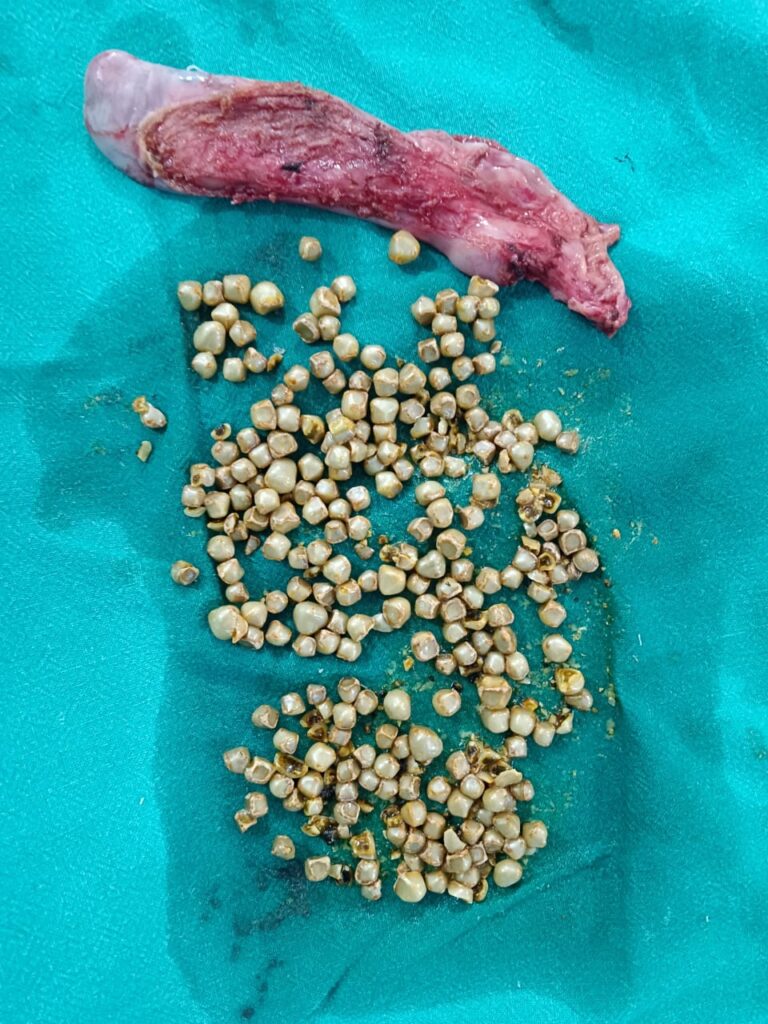
24 year old male with history of pain abdomen was diagnosed with gall stones. Gall bladder with multiple stones removed laparoscopically. Patient discharged next day.
Case 2
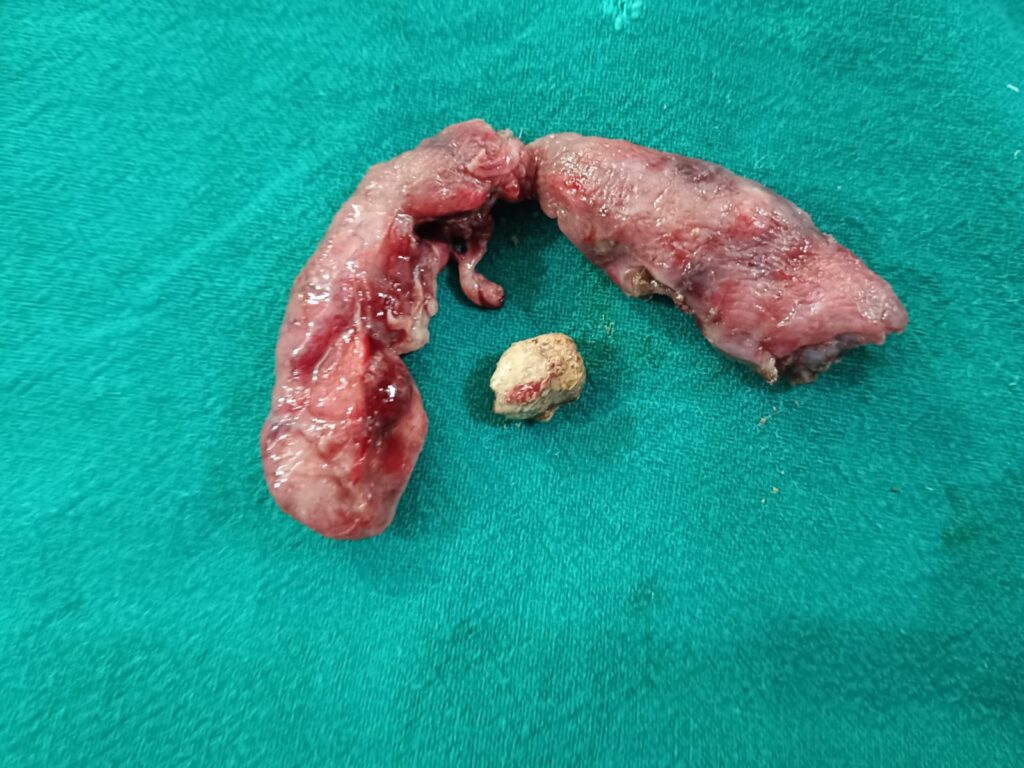
22 year male with pain abdomen,fever and vomiting for 3 days. Diagnosed as case of a/c appendicitis. Laparoscopic removal of perforated appendix with faecolith with pus in abdomen done. Patient discharged uneventfully on day 4.
Case 3
FAQ's
What is Laparoscopy?
A laparoscope is a special telescope designed for medical use. It is connected to a high intensity (fiber-optic) light source as well as a high-resolution television camera. This allows the surgeon to view the abdominal cavity. The laparoscope is placed into the abdominal cavity through a hollow tube (trocar) and the image is viewed on a TV monitor.
What are the advantages of Laparoscopic Surgery?
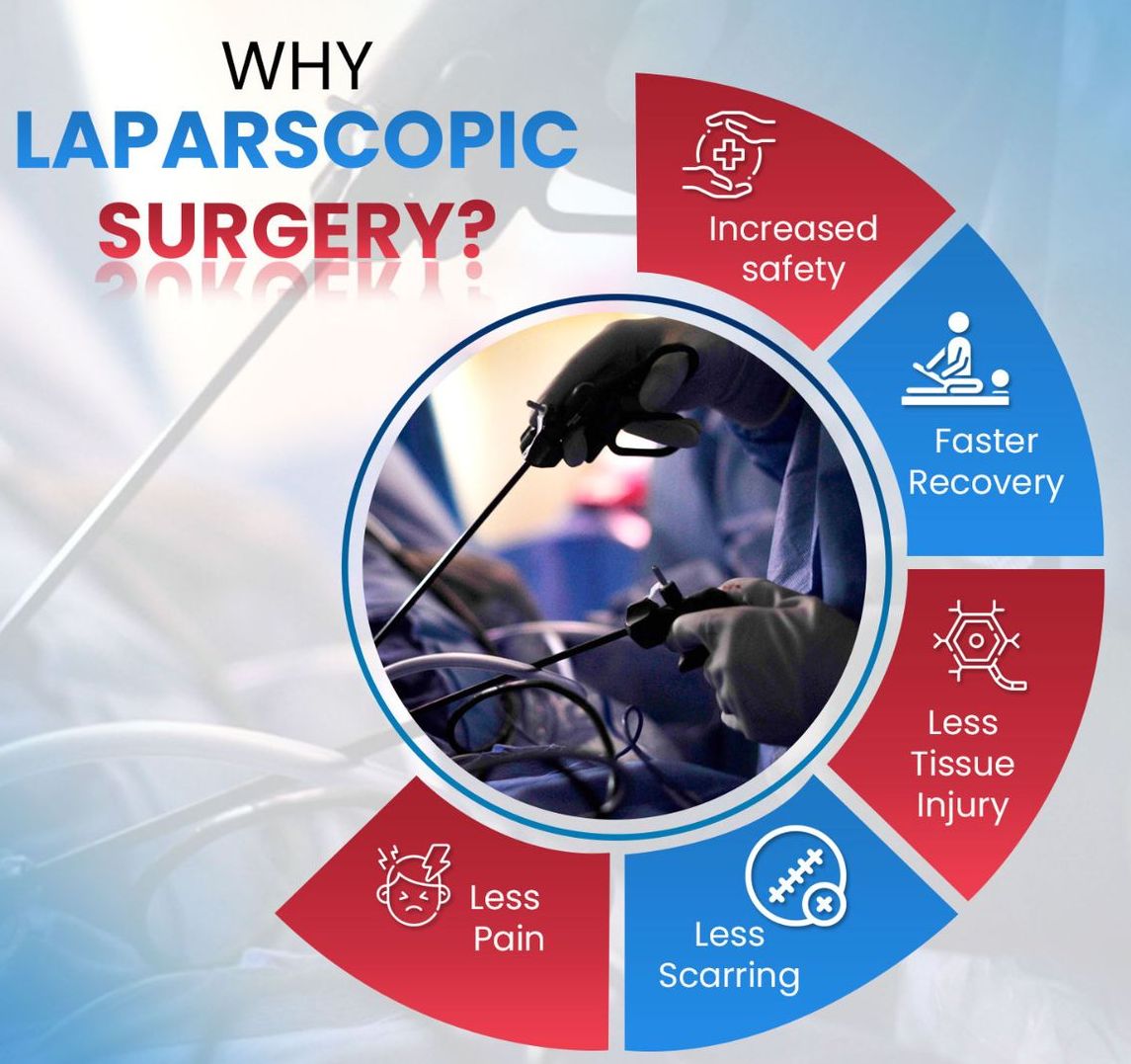
There are many advantages over traditional open surgery. People who undergo laparoscopic procedures often have a shorter hospitalization. On average 1 to 2 days for laparoscopic versus 5 to 7 days for open surgery. Also, since laparoscopy utilizes much smaller incisions, the risk of wound infection is less and consequently the risk of hernia formation is less. While postoperative pain is different for everybody, patients often report much less pain after laparoscopy.

What is Laser Proctology Treatment?
Laser (Light Amplification by Stimulated Emission of Radiation) is a high-energy light that is used to safely cut or burn the affected tissue during surgical procedures. The laser techniques are advanced and safer than before; they are scar-free, bloodless and less painful with fewer complications.
- No cuts & No stitches
- Does not occur again
- 30-40 Min Procedure